Did you know that certain plants are prohibited from planting in Wallonia?
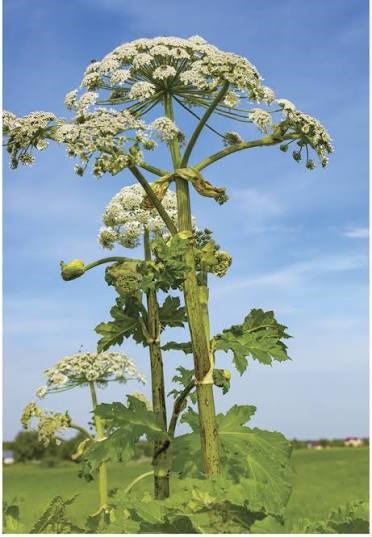
Did you know that certain plants are prohibited from planting in Wallonia?

Some plants found in our gardens may seem perfectly harmless. They were sometimes even planted intentionally several years ago for their ornamental qualities.

However, some species are now recognized as invasive alien plants and are subject to specific restrictions.

In Wallonia, 17 plant species are prohibited from planting throughout the territory, including in gardens and private properties.

And the prohibition does not only concern their planting: the disposal of green waste containing specimens of these species is also prohibited.

But why are certain plants prohibited? Which species are affected? And what should you do if an invasive plant is already present on your land?

What about elsewhere in Belgium?
The rules are not necessarily identical in Wallonia, Flanders, and Brussels. In addition to regional regulations, there are also European regulations concerning certain invasive alien species. We will elaborate on this further down in this article.

Why are certain plants prohibited?

Not all alien plants are necessarily invasive.

However, some species have characteristics that allow them to develop rapidly, spread, and progressively colonize new areas.

Depending on the species, their propagation can occur through:

  • seeds;
  • roots;
  • rhizomes;
  • stem fragments;
  • movement of contaminated soil;
  • plant waste.

When they establish themselves in a favorable environment, some invasive plants can compete with local vegetation and disrupt ecosystems.

It is notably to limit the appearance of new outbreaks and their spread that certain species are now subject to specific regulations.

What are the 17 plants prohibited from planting in Wallonia?

Walloon regulations currently list 17 species whose planting is prohibited throughout Wallonia, including on private properties.

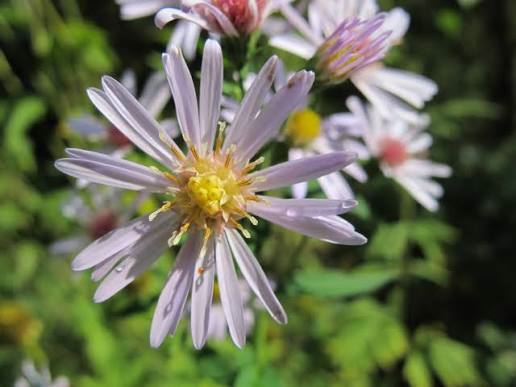
Lance-leaved Aster

Aster lanceolatus Willd.
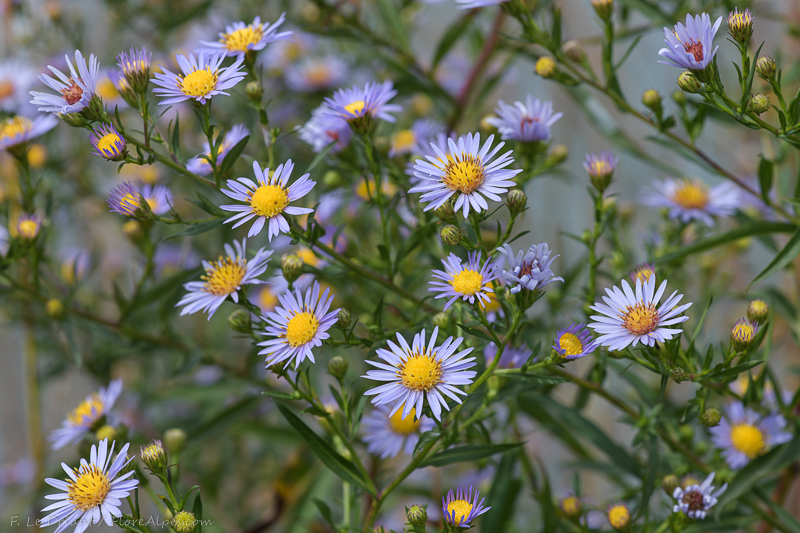
Willow-leaved Aster

Aster × salignus Willd.
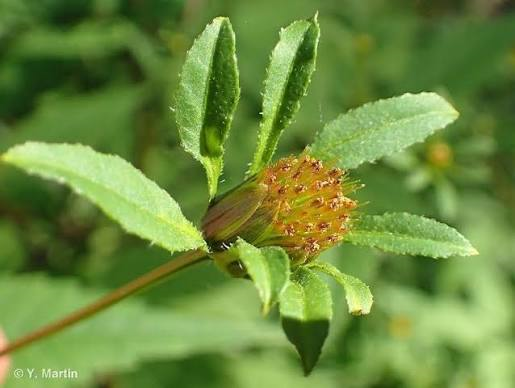
Black-jack

Bidens frondosa L.
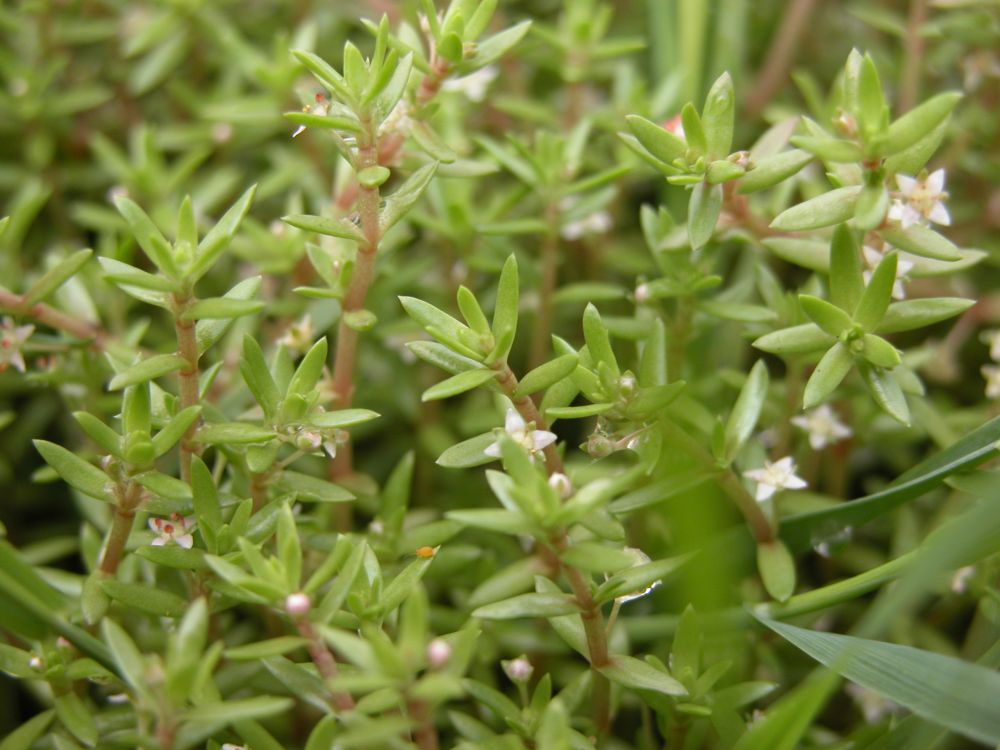
New Zealand Pigmyweed

Crassula helmsii (T. Kirk) Cock.
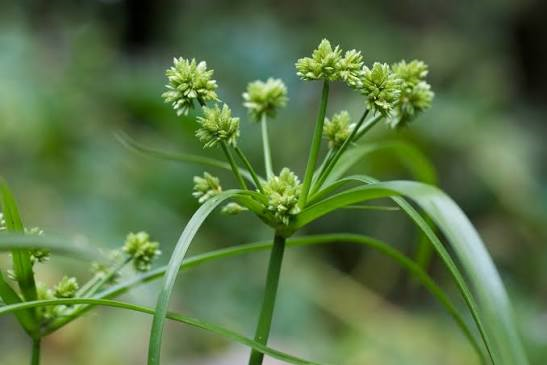
Robust Flatsedge

Cyperus eragrostis Lam.
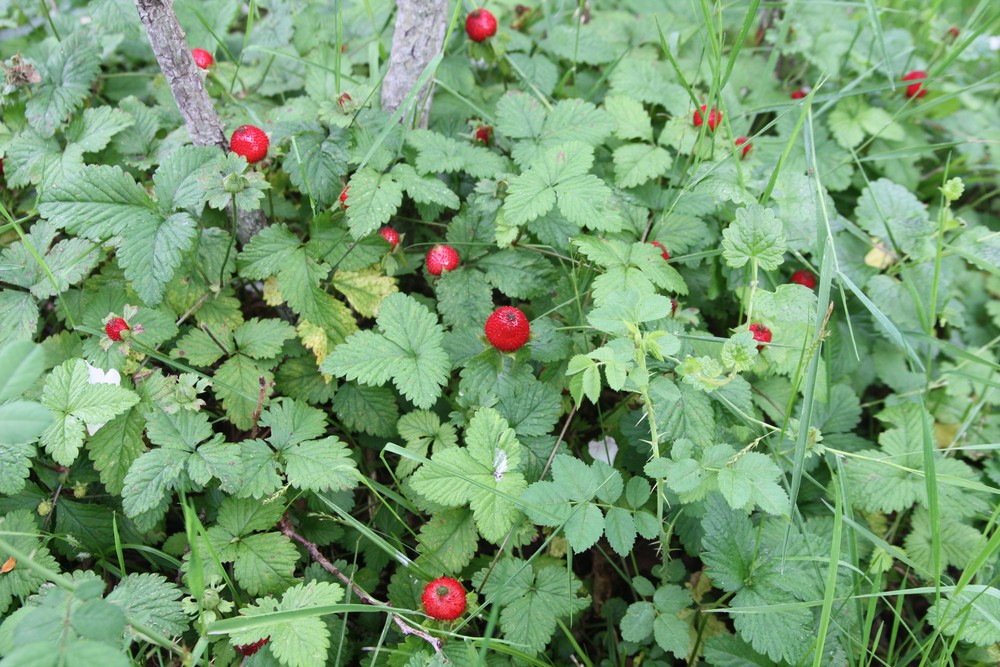
Indian Strawberry

Duchesnea indica (Andrews) Focke
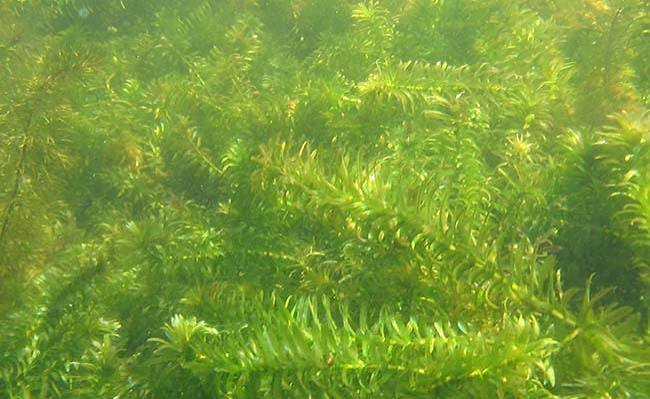
Brazilian Waterweed

Egeria densa Planch.
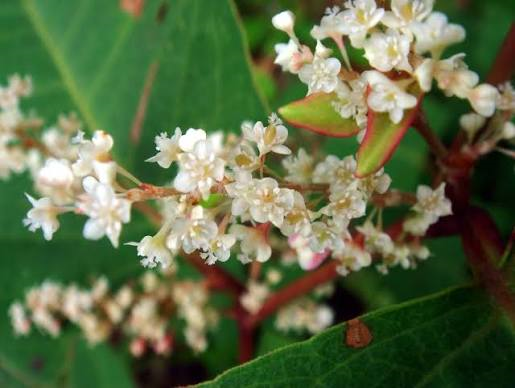
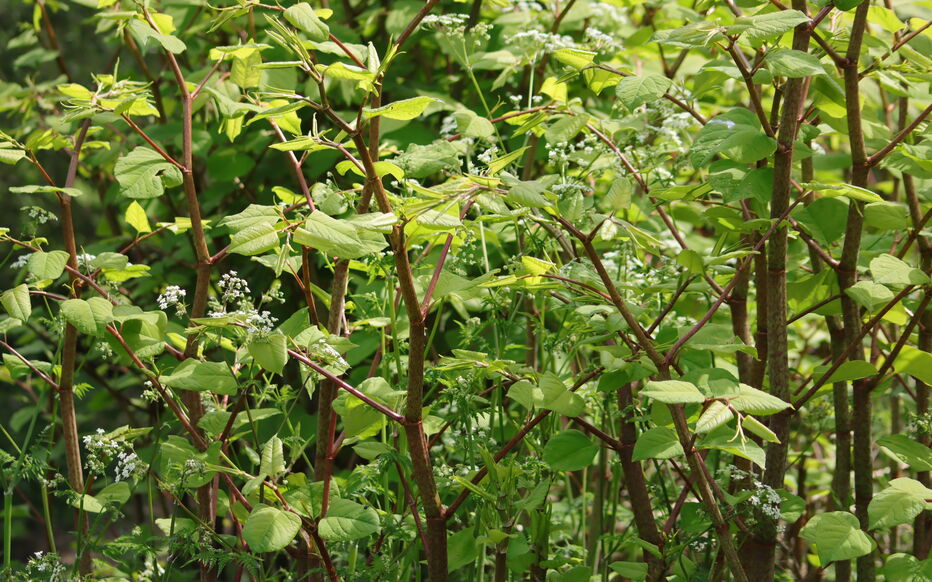
Japanese Knotweed

Fallopia japonica (Houtt.) Ronse Decraene
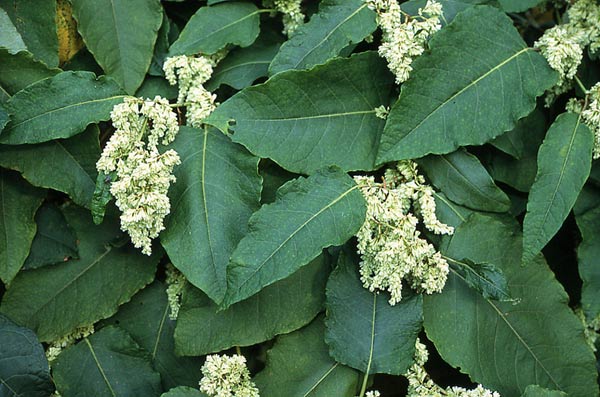
Giant Knotweed

Fallopia sachalinensis (F. Schmidt Petrop.) Ronse Decraene
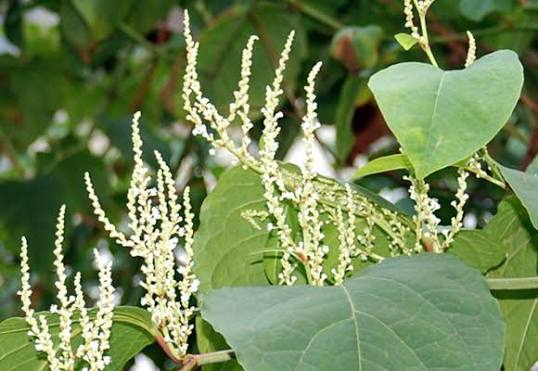
Bohemian Knotweed

Fallopia × bohemica (Chrtek et Chrtkova) J.P. Bailey
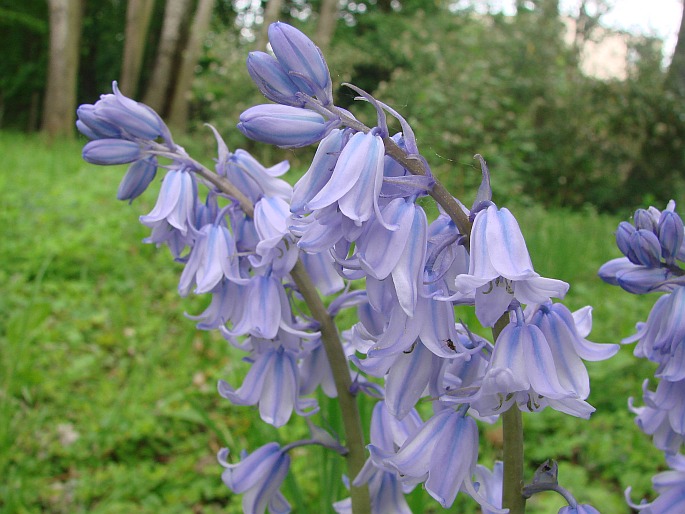
Spanish Bluebell

Hyacinthoides hispanica (Mill.) Rothm.
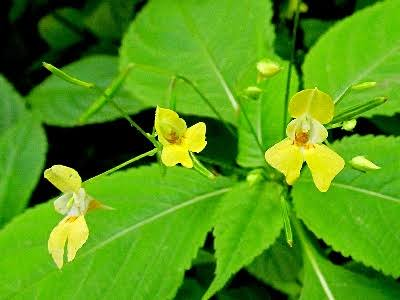
Small-flowered Touch-me-not

Impatiens parviflora DC.
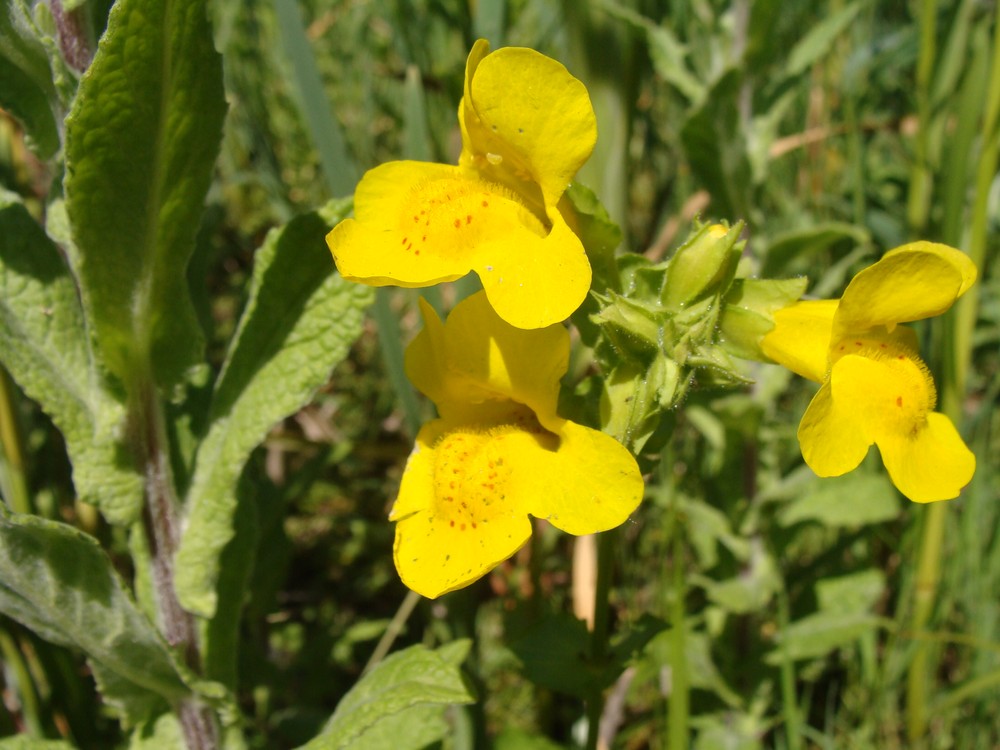
Spotted Monkeyflower

Mimulus guttatus DC.
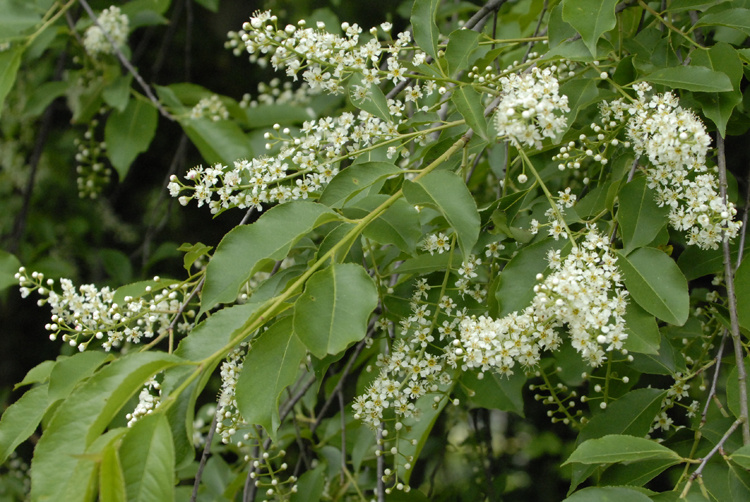
Black Cherry

Prunus serotina Ehrh.
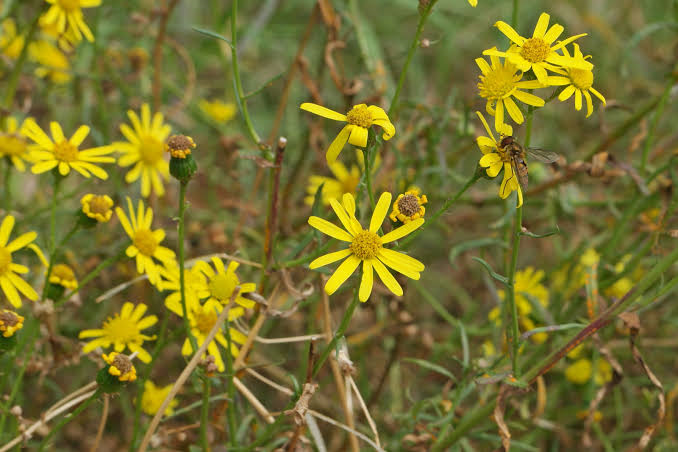
South African Ragwort

Senecio inaequidens DC.
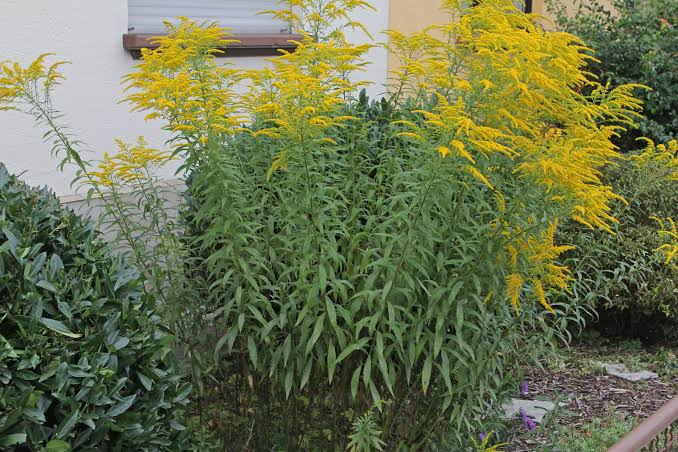
Canada Goldenrod

Solidago canadensis L.
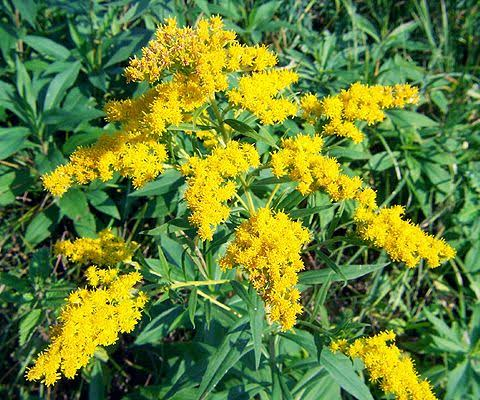
Giant Goldenrod

Solidago gigantea Ait.
A prohibition that also applies to private gardens

This is probably one of the least known aspects of this regulation.

The prohibition does not only concern public spaces, nature reserves, or riverbanks.

For these 17 species, planting is also prohibited on private property.

It is therefore not permitted to carry out new plantings in one’s garden, even if the species may have been used as an ornamental plant in the past.

The objective is notably to prevent the creation of new outbreaks likely to then spread to other properties or natural environments.

Also pay attention to plant waste

When an invasive plant is removed, the way plant waste is handled and disposed of is particularly important.

Some species indeed have significant regenerative capacities.

Depending on the plant concerned, seeds, stem fragments, roots, or rhizomes can contribute to its spread.

The movement of contaminated soil can also be a factor in the dispersion of certain species.

This is why the disposal of green waste containing specimens of the 17 species concerned is also prohibited by Walloon regulations.

Residues from an invasive plant should therefore not be considered as simple garden waste.

Japanese Knotweed: a prohibited plant particularly difficult to control

Among the 17 species concerned is a plant we encounter in the field: Japanese knotweed (Fallopia japonica).

Two closely related species are also included in the list:

  • Giant knotweed;
  • Bohemian knotweed.

The difficulty with Asian knotweeds lies largely underground.

These plants develop a network of rhizomes capable of enabling their regeneration and progression.

The visible vegetation on the surface therefore does not necessarily allow for an appreciation of the actual extent of the affected area.

An inappropriate intervention can also promote the dispersion of plant fragments or contaminated soil to other areas.

Before any intervention, it is therefore important to determine the extent of contamination and adapt the management method to the terrain’s configuration.

Simply cutting the visible parts does not mean that the underground system has been eliminated.

A prohibited plant is already growing in my garden: do I have to remove it?

An important distinction must be made here between planting prohibition and eradication obligation.

The fact that a species appears on the Walloon list of prohibited plants does not automatically mean that every owner who already has it is required to immediately eradicate it.

However, it is important to avoid promoting its spread or creating new outbreaks.

The situation must also be examined according to the species concerned, as some plants may be subject to other regulatory provisions, particularly when they are also covered by European regulations on invasive alien species.

What about the rest of Belgium?

Regulations concerning invasive alien plants obviously do not stop at Wallonia’s borders.

However, it should be noted that the rules are not necessarily identical in Wallonia, Flanders, and the Brussels-Capital Region.

The management of invasive alien species is based on different levels of regulation, notably European and regional.

European regulations applicable throughout Belgium

At the European level, certain species are included in the list of invasive alien species of Union concern.

These species are subject to restrictions aimed at preventing their introduction, possession, cultivation, transport, marketing, or release into the environment, according to the provisions of European regulations.

These regulations apply in Belgium and therefore concern Wallonia, Flanders, and the Brussels-Capital Region.

Additional rules depending on the Regions

In addition to these European regulations, each Region may have its own provisions.

This is notably the case in Wallonia with the 17 species presented in this article, for which any new planting is prohibited throughout the Walloon territory.

Flanders and the Brussels-Capital Region also have their own provisions regarding nature protection and the management of invasive alien species.

It is therefore incorrect to consider that there is a single list of “prohibited plants in Belgium” applicable identically in all three Regions.

Depending on the species and the location of the land, it is necessary to check European regulations as well as the provisions applicable in the Region concerned.

To remember
A plant can be considered invasive without being subject to exactly the same restrictions everywhere in Belgium. The regulatory status of a species must always be verified according to the species concerned and the Region in which it is located.

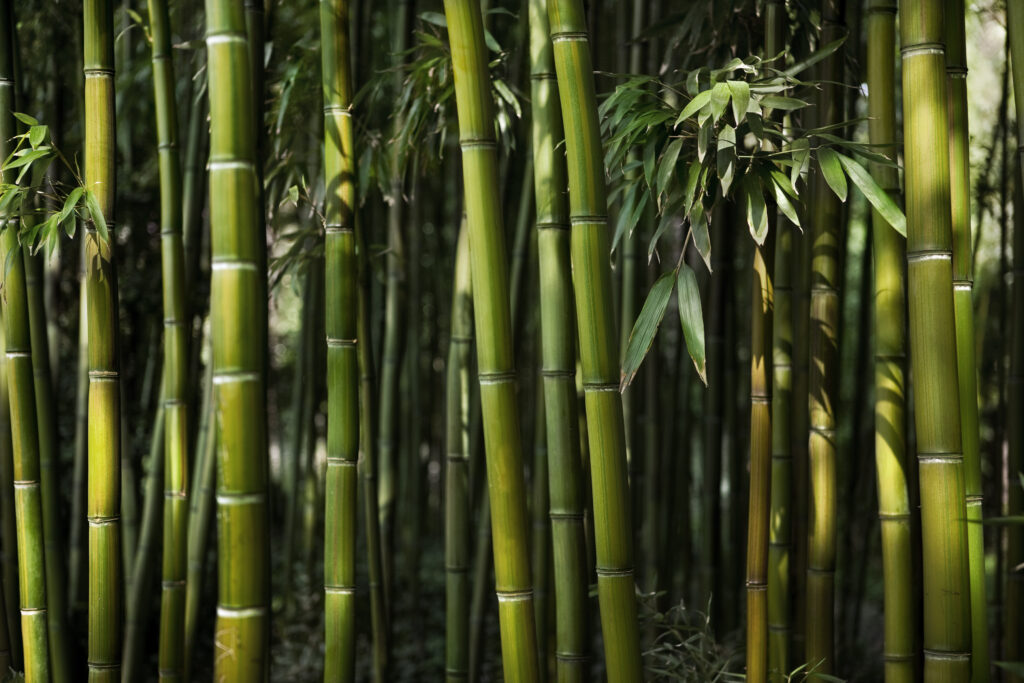
And what about bamboos, are they prohibited from planting in Wallonia?

This is an important question, because invasive plant and prohibited plant do not mean the same thing.

The creeping bamboos we regularly encounter in gardens are not among the 17 species whose planting is prohibited throughout Wallonia.

However, this does not mean that they are without risk.

Some bamboo species develop a network of particularly dynamic creeping rhizomes. If their development is not properly controlled, the rhizomes can gradually leave the area initially intended for planting.

They can notably develop:

  • under the lawn;
  • in planted beds and hedges;
  • under fences;
  • towards neighboring properties;
  • under certain coverings and landscaping;
  • along terraces and masonry structures.

The problem is therefore different from that of a legally prohibited plant.

In the case of a creeping bamboo, the challenge is notably to control its underground development and prevent the rhizome network from colonizing areas not intended for planting.

Are all invasive plants prohibited in Wallonia?

No.

This is an essential distinction.

A plant can be invasive without being one of the 17 species whose new planting is prohibited throughout Wallonia.

Walloon regulations also provide for other restrictions concerning certain invasive alien plants, particularly in and near certain protected sites and waterways.

In addition, there are European regulations concerning invasive alien species of Union concern.

It is therefore important not to confuse:

Alien plant → invasive plant → regulated plant → plant prohibited from planting

These concepts may be related, but they are not equivalent.

Before intervening: identify, analyze, and choose the appropriate method

When faced with an invasive plant, the first step is to correctly identify the species.

Then, it is necessary to understand its mode of propagation and determine the actual extent of its development.

This analysis is particularly important for species capable of developing through an underground system of roots or rhizomes.

An effective intervention therefore does not necessarily consist of eliminating only what is visible on the surface.

At Bambou Clean, we intervene in the management and eradication of invasive plants, with particular expertise in species with complex underground systems, notably creeping bamboos and Asian knotweeds.

Our approach consists of analyzing the situation on the ground, identifying the affected areas, and determining an intervention method adapted to the species and the terrain’s configuration.

The objective: to intervene on the plant’s development at its source, and not just to remove what is visible on the surface.

Have you identified an invasive plant on your land?
Identifying and analyzing its development allows for determining the appropriate intervention method.

No Comments

Post A Comment