In autumn, bamboo slows down above ground, but its network of rhizomes remains very much present underground. An ideal period to analyze the spread and consider an appropriate intervention.
Bamboo slows down in autumn, but the rhizomes remain present
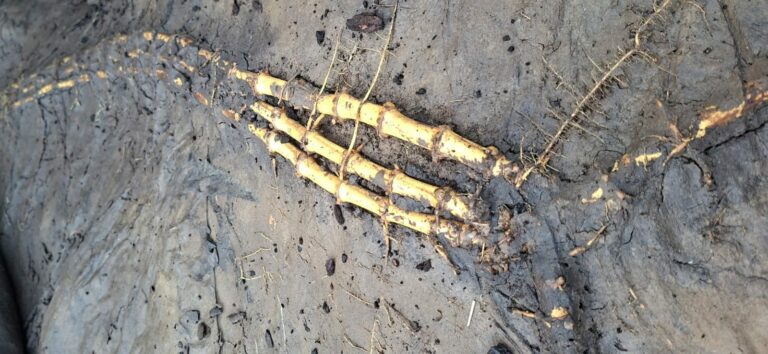
Running bamboos, particularly certain varieties of Phyllostachys, develop through an underground network of rhizomes.
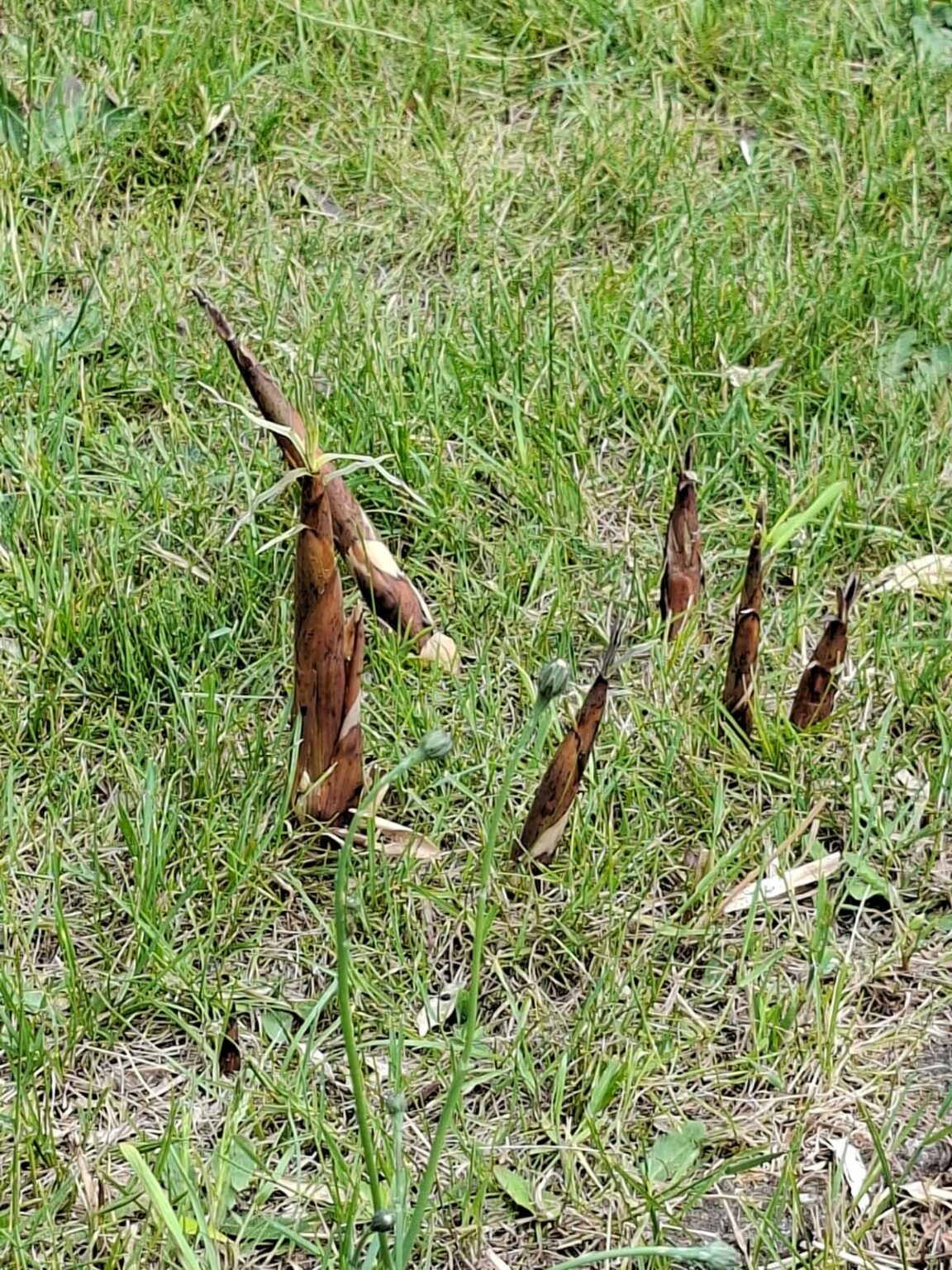
These rhizomes can progress horizontally through the soil and produce new shoots sometimes several meters from the initial clump.
They can therefore be found:
under a lawn;
in planted beds;
under a fence;
near a terrace or pathway;
against certain structures and installations;
or even on a neighboring property.
In autumn, even when the above-ground portion of the bamboo appears quieter, the underground network that is the source of the invasion remains in place.
It is precisely this network that must be addressed when you genuinely want to remove running bamboo.
A rhizome network can extend well beyond the visible clump.
Cutting down bamboo does not mean eliminating the invasion. As long as the rhizomes remain present in the soil, new shoots can reappear.
Why autumn can be an interesting period for intervention
Less dense vegetation
The site often becomes more readable and certain areas are more accessible.
Better diagnosis
Regrowth and areas of spread can be analyzed with precision.
Preparatory work
Autumn allows you to anticipate interventions before vegetative regrowth.
Installations to protect
Terraces, fences, plantings, and neighboring properties are integrated into the diagnosis.
The essential part is often underground.
An effective intervention is not limited to visible culms. It consists of locating, extracting, and controlling the rhizome network present in the contaminated area.
Before any intervention
Before any intervention, several elements must be studied
🌱 Rhizome depth Their development depends on the terrain and obstacles encountered.
🚜 Accessibility Equipment access and removal must be anticipated.
🏡 Existing installations Terraces, paving, borders, plantings, or structures influence the method.
↔️ Neighboring properties External contamination can cause new spread if it is not taken into account.
Our approach: address the problem at its source
1. Diagnosis
Analysis of the area, rhizomes, and site constraints.
2. Eradication
Mechanical excavation and manual work in sensitive areas.
3. Control
Verification of the treated area and consideration of recontamination risks.
Our objective: eliminate the rhizome network responsible for the spread, not simply remove what is visible on the surface.
Are you observing bamboo shoots outside the initial clump?
Shoots in the lawn, under a fence, or near a terrace can indicate that the rhizomes have already spread. A site analysis allows you to assess the extent of the affected area and the appropriate intervention method.



No Comments